
Fireproofing
Fireproofing steel involves applying a protective material (SFRM, intumescent coating, or cementitious plaster) to structural steel members to slow heat transfer and delay the steel from reaching its critical failure temperature during a fire.
What It Is
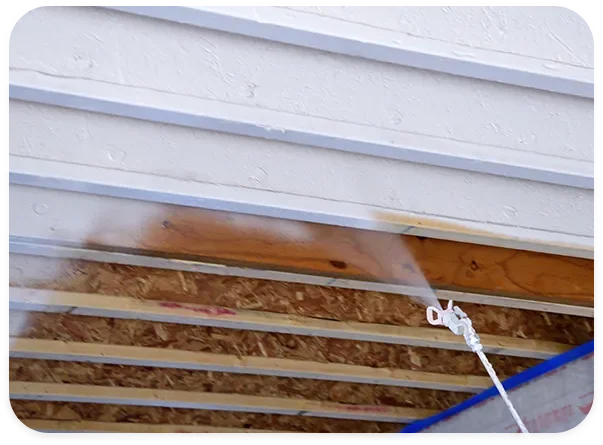
Fireproofing is applied directly to a building's structural elements to provide passive fire protection. When exposed to high temperatures, it expands many times its original thickness, creating an insulating char that dramatically slows heat transfer to the substrate.
This prevents columns, beams, floors, and roofs from collapsing, buying critical time for evacuation and reducing structural damage in a fire.
Key Benefits
- Prevents structural collapse in fire events
- Applied directly to steel, timber, or concrete surfaces
- More durable than cementitious coatings, no corrosion risk
- Available in smooth or textured finish depending on application
Where It's Applied
- Structural steel beams and columns
- Timber framing in commercial buildings
- Concrete structural elements
- Office buildings, hotels, hospitals, factories
- Malls, restaurants, gyms, and industrial facilities
Best For
Any commercial, industrial, or institutional building where building codes or safety standards require passive fire protection on structural elements. AirSeal's team applies certified and tested fireproofing systems according to your project specifications.